How Sol de Janeiro Turned Brazilian Beauty into a Global Sensation?
In 2015, a vibrant new force in beauty emerged- Sol de Janeiro. Founded by Heela Yang, a South Korean entrepreneur who moved to Brazil, the brand tapped into the joyful, sun-soaked spirit of Brazilian beach culture. Alongside Brazilian native Camila Pierotti and Marc Capra, Heela brought a fresh, aspirational body-care brand to life, one that would soon take the world by storm.
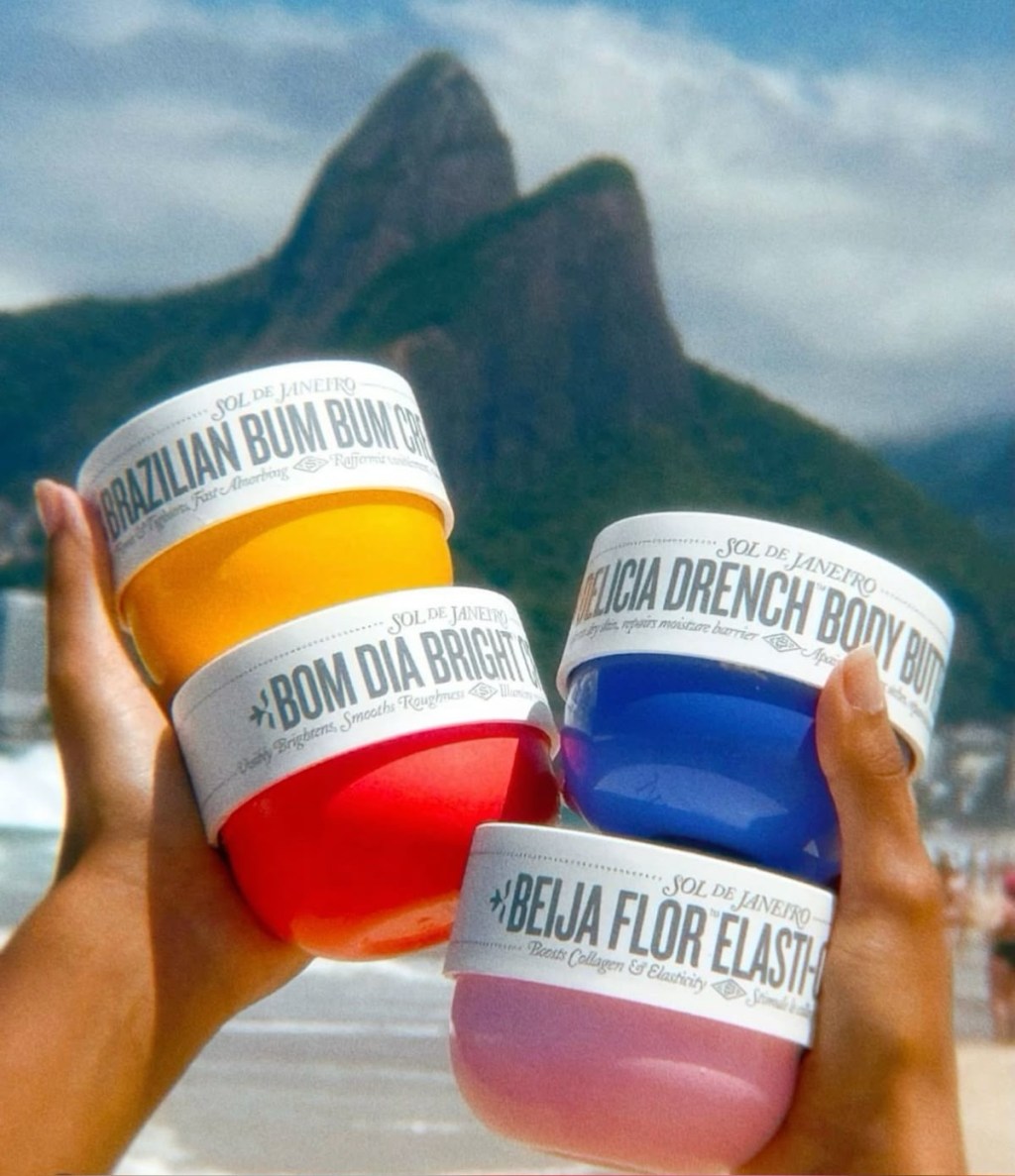
But what set Sol de Janeiro apart right from the start was their pre-launch magic. In a time when social media was just beginning its takeover, they leaned into digital from day one. Their Instagram was a burst of color, body positivity, and the signature scent that would become iconic: their Bum Bum Cream. Before the product even hit shelves, Sol de Janeiro created anticipation through bold, beach-inspired visuals, and a promise of Brazilian radiance.
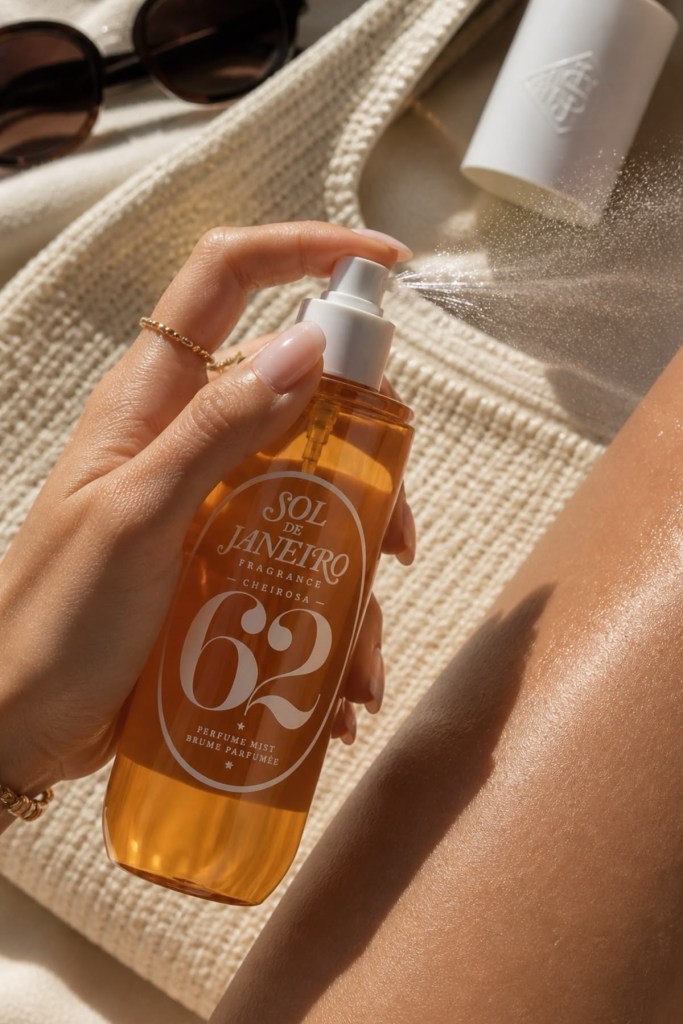
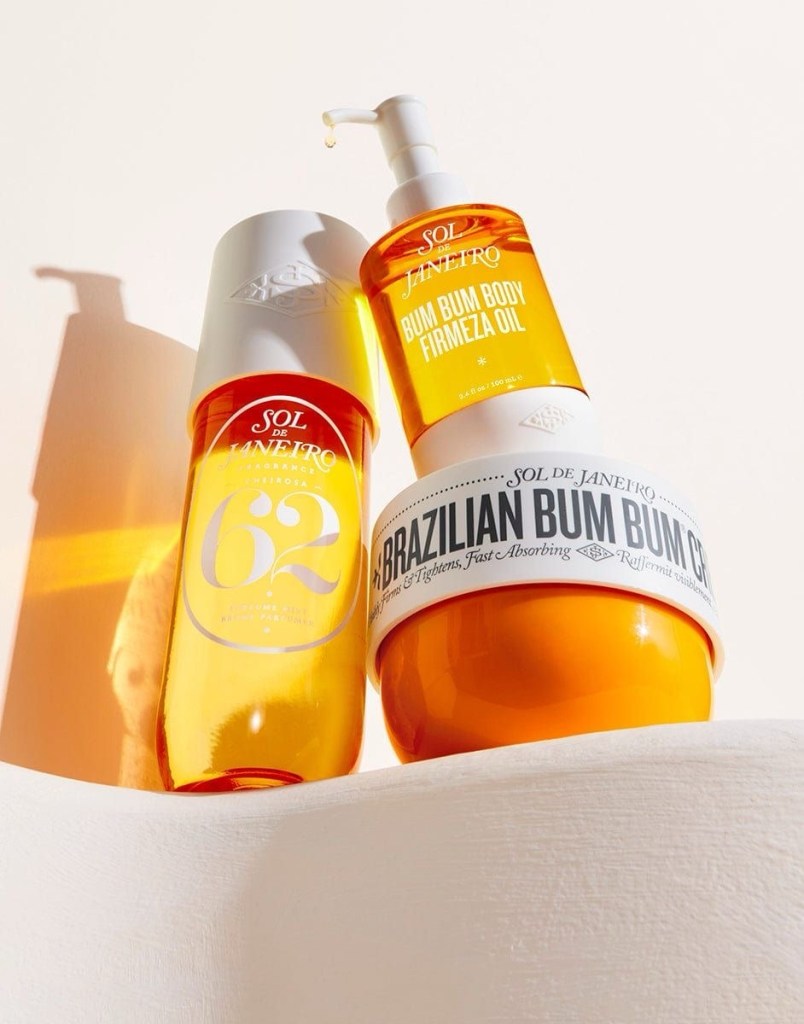
Their launch strategy was far from traditional ads. Instead, they partnered with travel retail, pre-launch pop-ups in airports and secured an early Sephora partnership in 2016.
Their hero product, Bum Bum Cream, anchored the entire brand, and the U.S. became their first major market. In contrast to today, when influencers dominate, they built their presence by cultivating a digital-first community and offering a premium sensory experience.
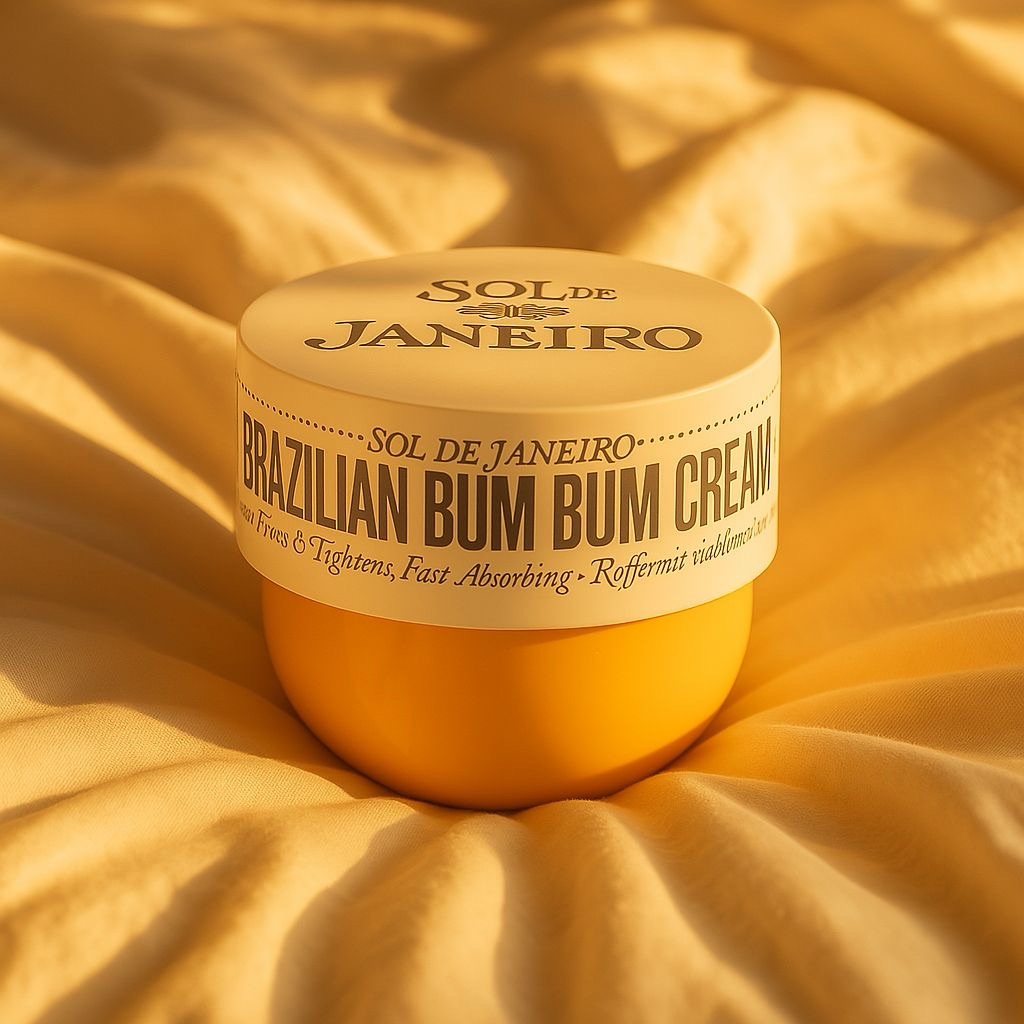
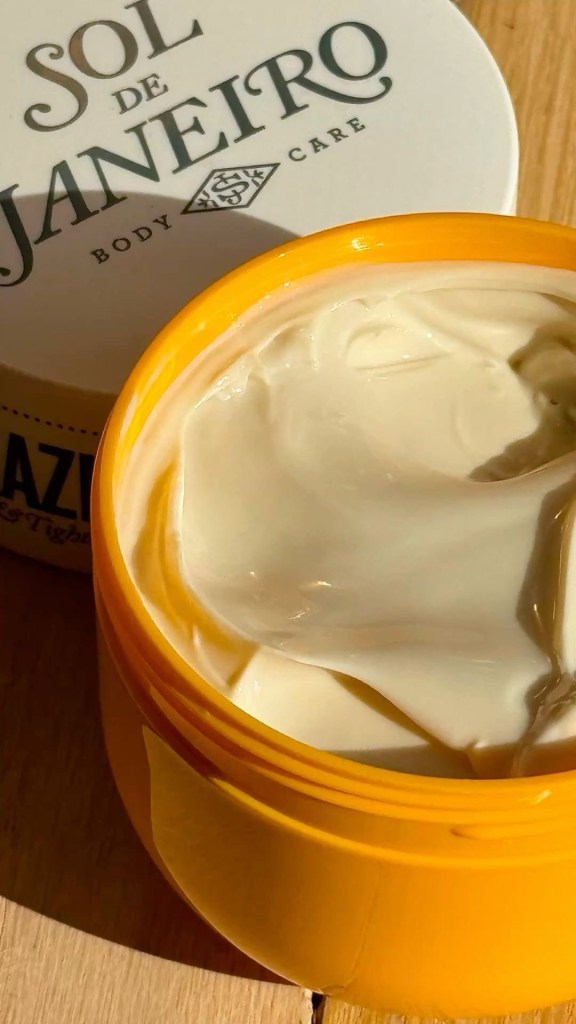
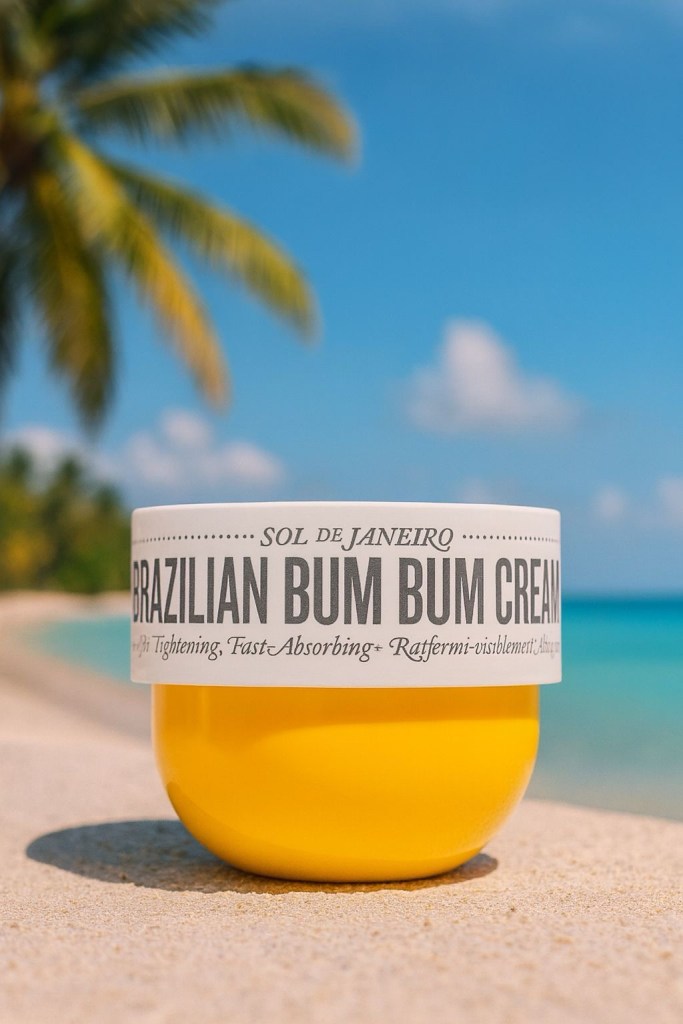
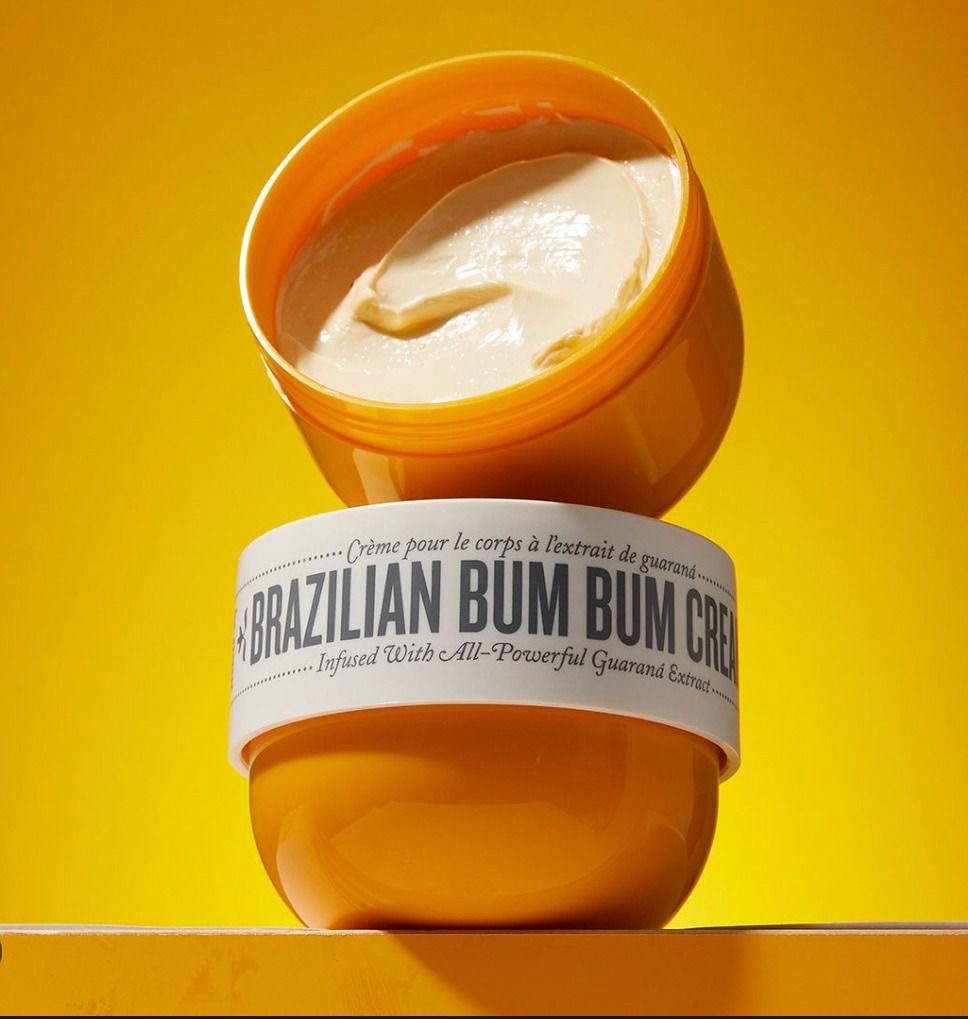
Today, Sol de Janeiro is a global phenomenon. It sits proudly on Sephora shelves worldwide, and its cult following spans TikTok, Instagram, and beyond.
Their marketing strategy now is a blend of nostalgia (drawing on those Brazilian roots) and innovation, partnering with influencers, leveraging user-generated content, and maintaining that luxurious yet approachable vibe.
Sol de Janeiro reminds us that when a brand roots itself in a strong cultural identity, it can radiate far beyond borders, straight to the top of global beauty.
2014 – The Inspiration (Before the Company Existed)
This is arguably the most important year in the brand’s history.
Heela Yang moved to Brazil because of her husband’s work. At the time, she had already built a career in luxury beauty, working for brands such as Clinique and Lancôme.
While living in Brazil, she noticed something that was very different from North America.
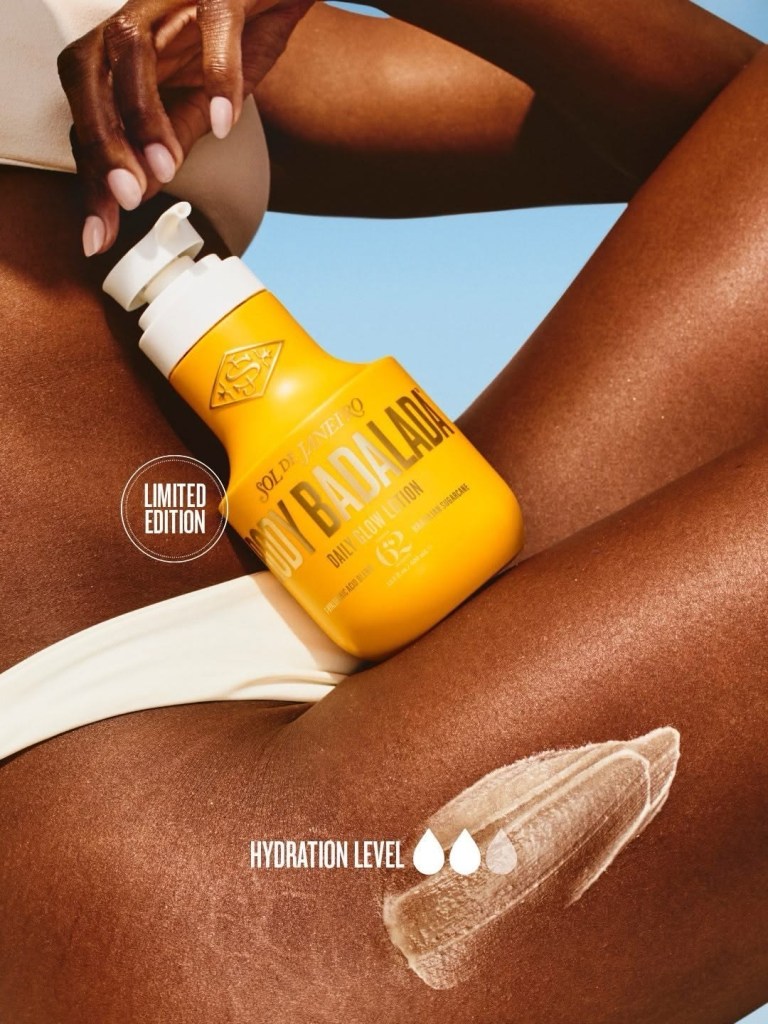
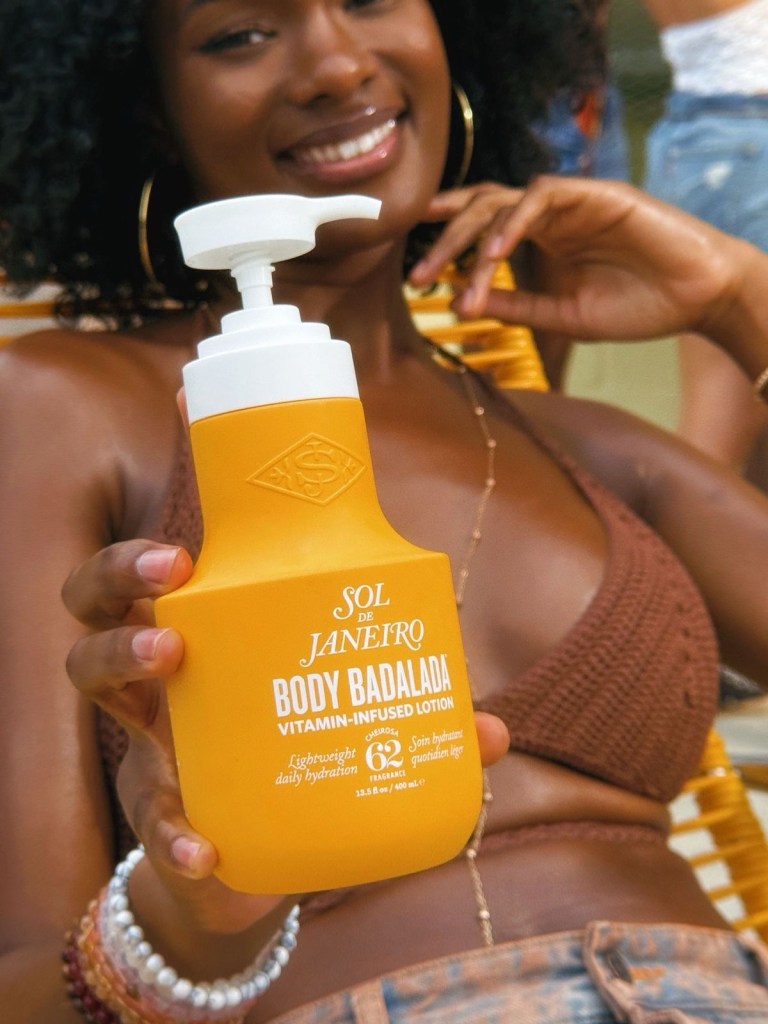
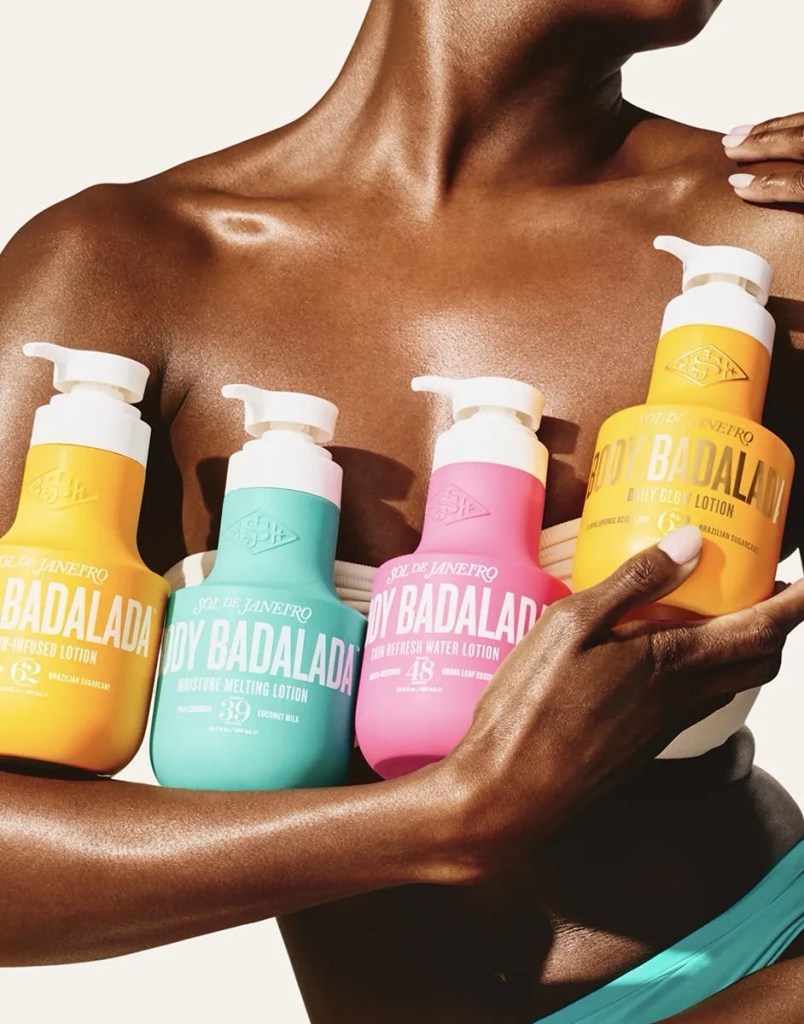
On beaches in Rio de Janeiro, women of every age, body shape and skin tone wore bikinis confidently. Beauty wasn’t about achieving perfection, it was about celebrating yourself.
She has described this as her “tiny bikini epiphany.”
Instead of asking,
“How do I hide my body?”
Brazilian culture encouraged people to ask,
“How do I celebrate my body?”
That insight became the emotional foundation of Sol de Janeiro.
Marketing lesson
The founders didn’t begin with a product.
They began with a cultural insight.
That insight became their brand story.
2014–2015 – Research & Product Development
Before launching, the founders spent months asking a business question:
Why is luxury skincare only for the face?
At the time:
- Prestige skincare was booming.
- Luxury body care barely existed.
- Body lotions were viewed as inexpensive, functional products.
The founders believed consumers would pay premium prices if body care felt luxurious, smelled amazing and made people feel confident.
They also researched:
- Brazilian ingredients
- Brazilian beauty rituals
- Fragrance preferences
- Product textures
- Packaging
Everything revolved around one idea:
Body care should be emotional, not merely functional.
Summer 2015 – Official Launch
The company launched with only three products, not dozens.
Instead of overwhelming customers, they focused on creating one unforgettable product.
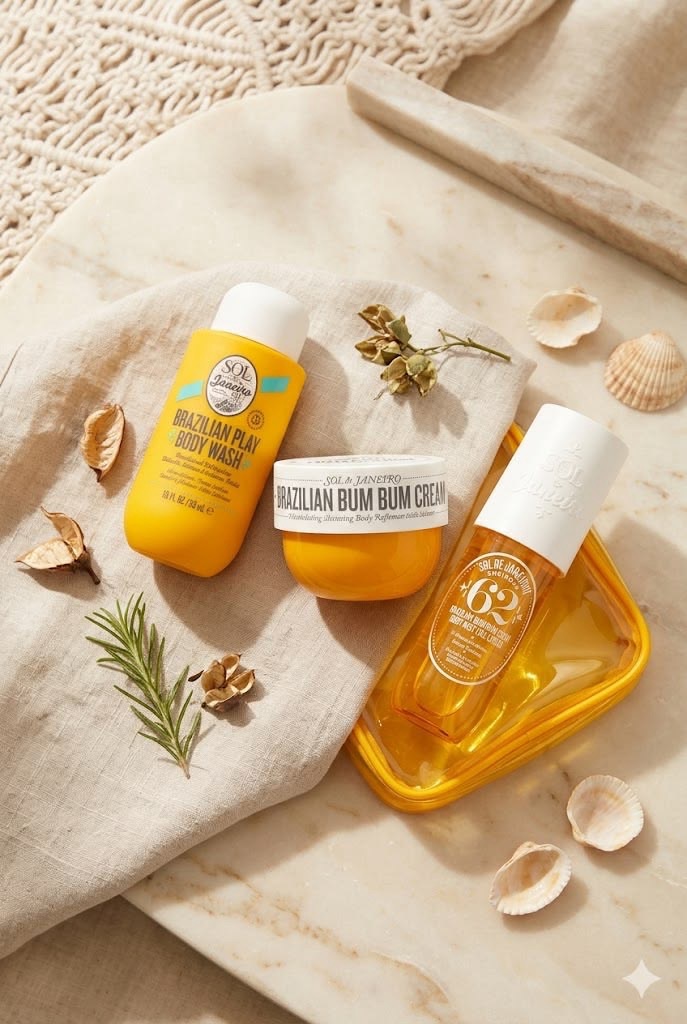
Their hero product was the Brazilian Bum Bum Cream.
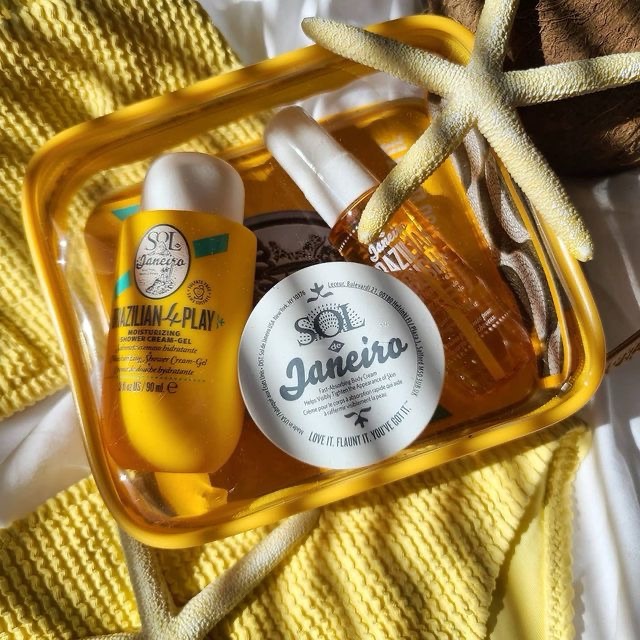
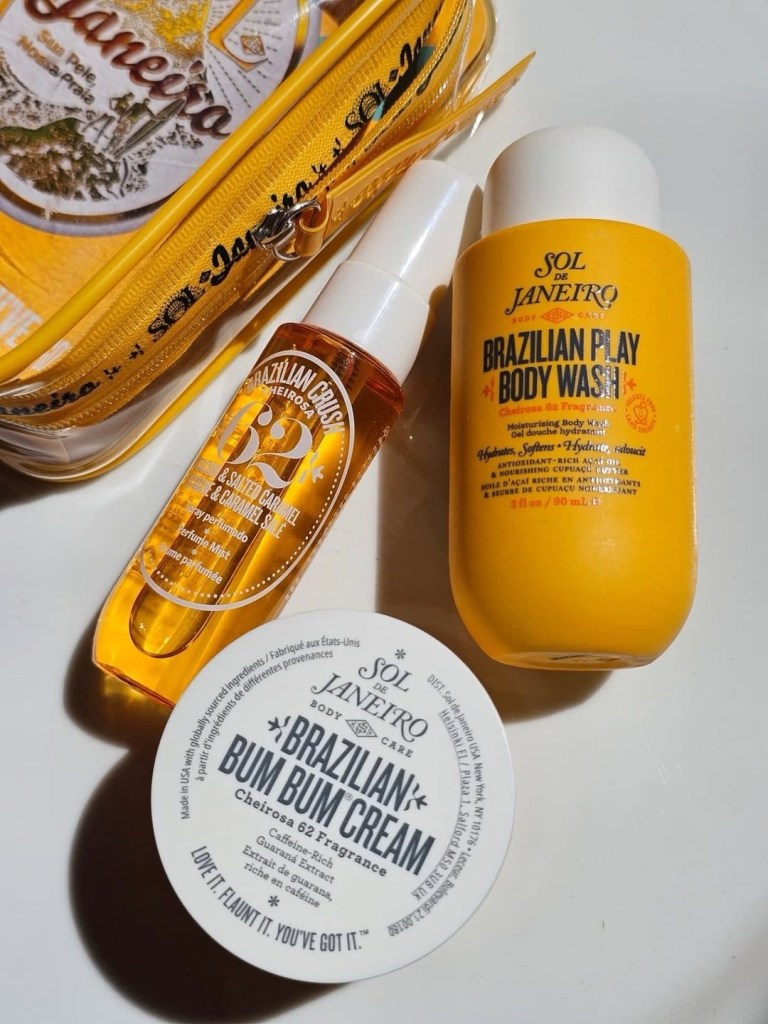
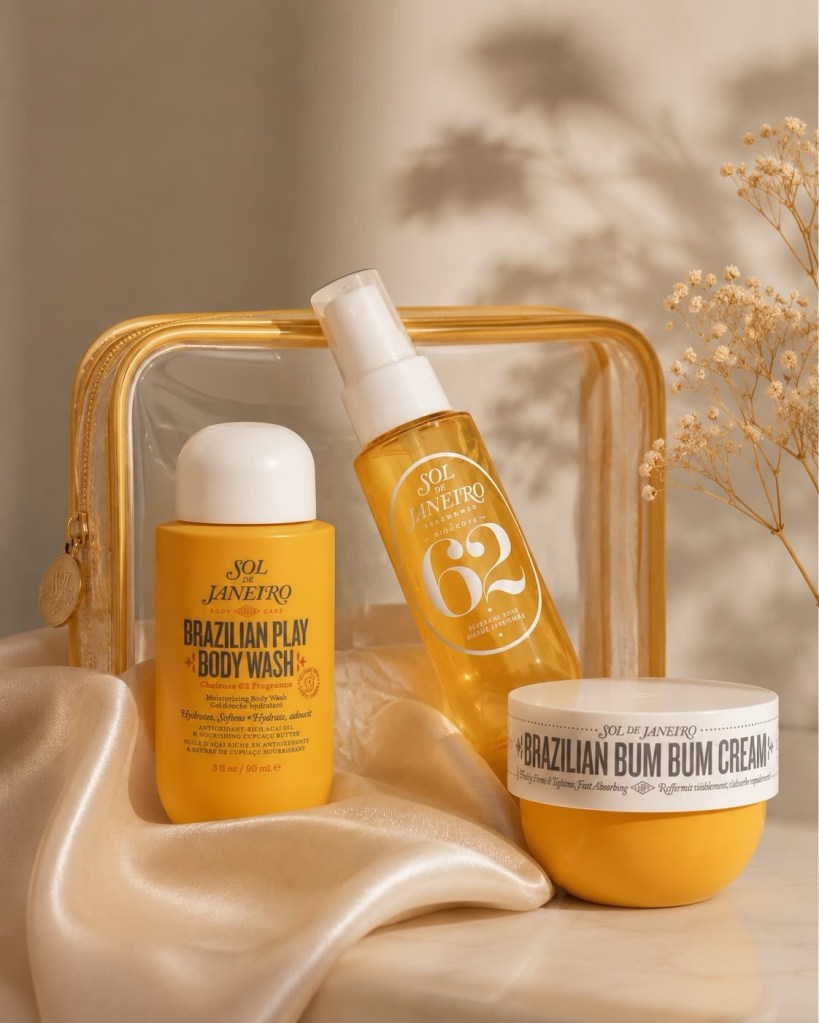
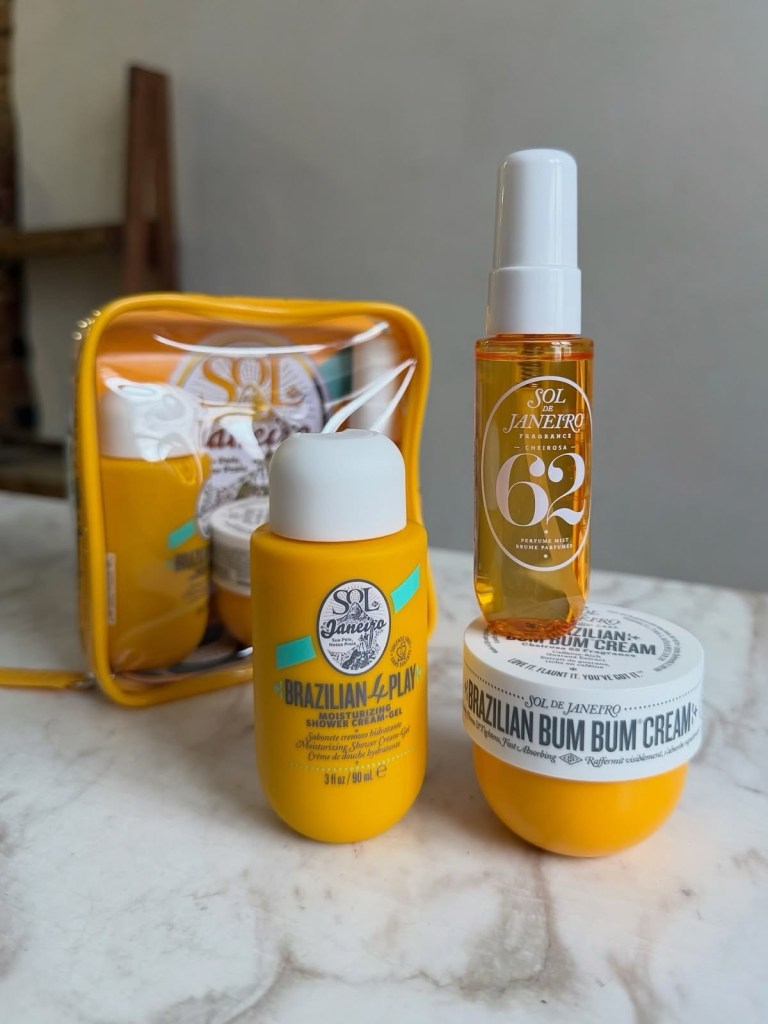
Their launch assets included
- a simple e-commerce website
- product photography
- bright yellow packaging
- Brazilian-inspired storytelling
- PR outreach to beauty editors
- beauty samples
There wasn’t a huge TV campaign.
No celebrity endorsements.
No Super Bowl ads.
Instead, they invested in building a distinctive brand identity.
That was unusual in 2015 because many beauty companies still depended heavily on magazine advertising and department-store beauty counters.
2016 – Sephora Changes Everything
This may be the biggest turning point.
Getting into Sephora wasn’t simply about selling more products.
It gave Sol de Janeiro:
- credibility
- nationwide visibility
- product testers in stores
- access to millions of prestige beauty shoppers
People could finally smell the Bum Bum Cream before purchasing.
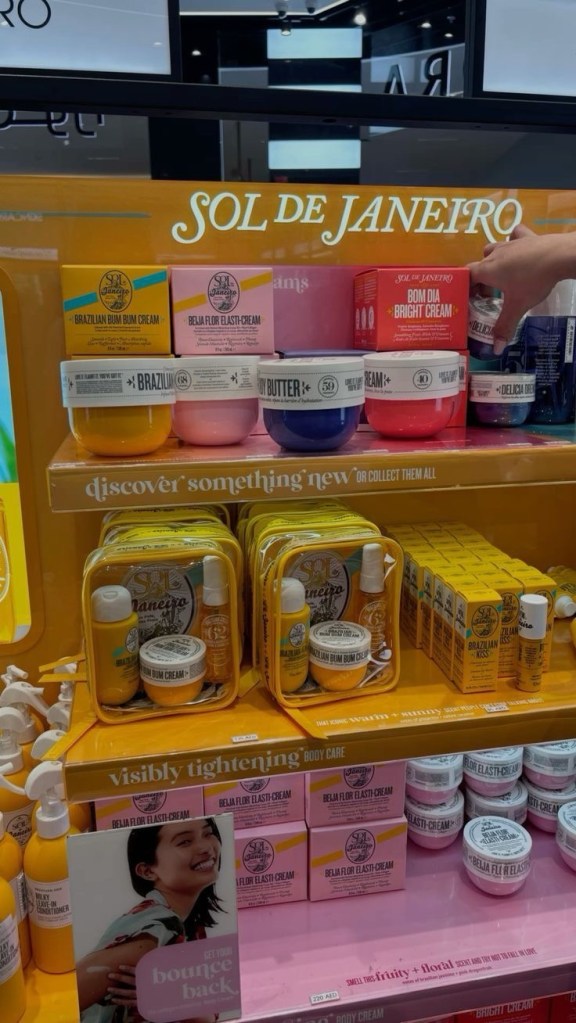
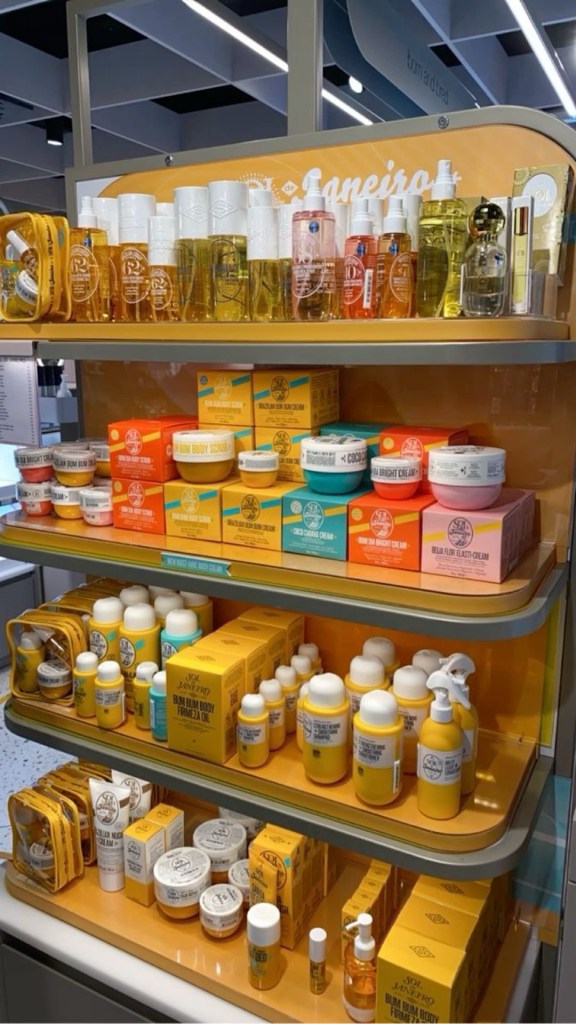
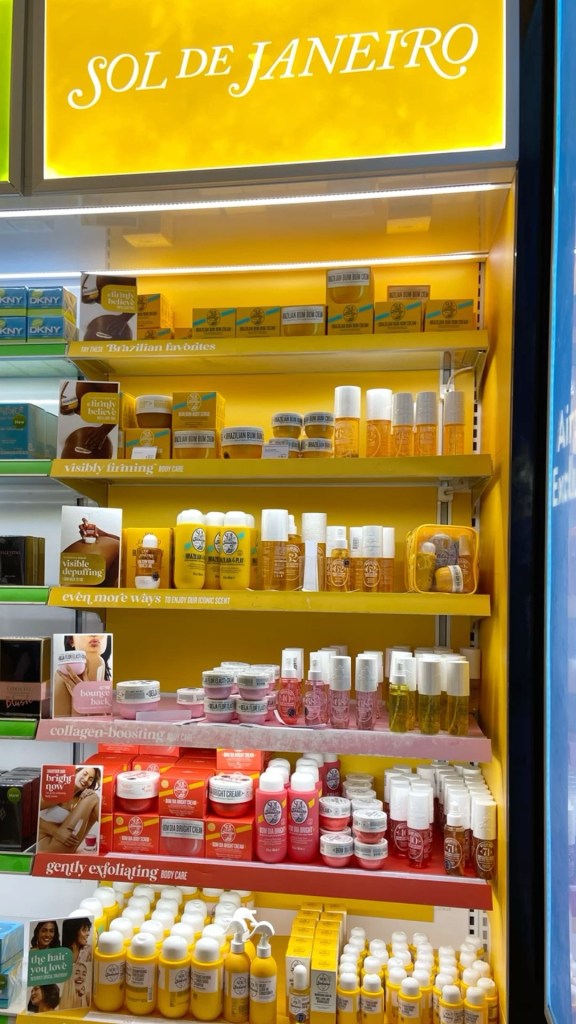
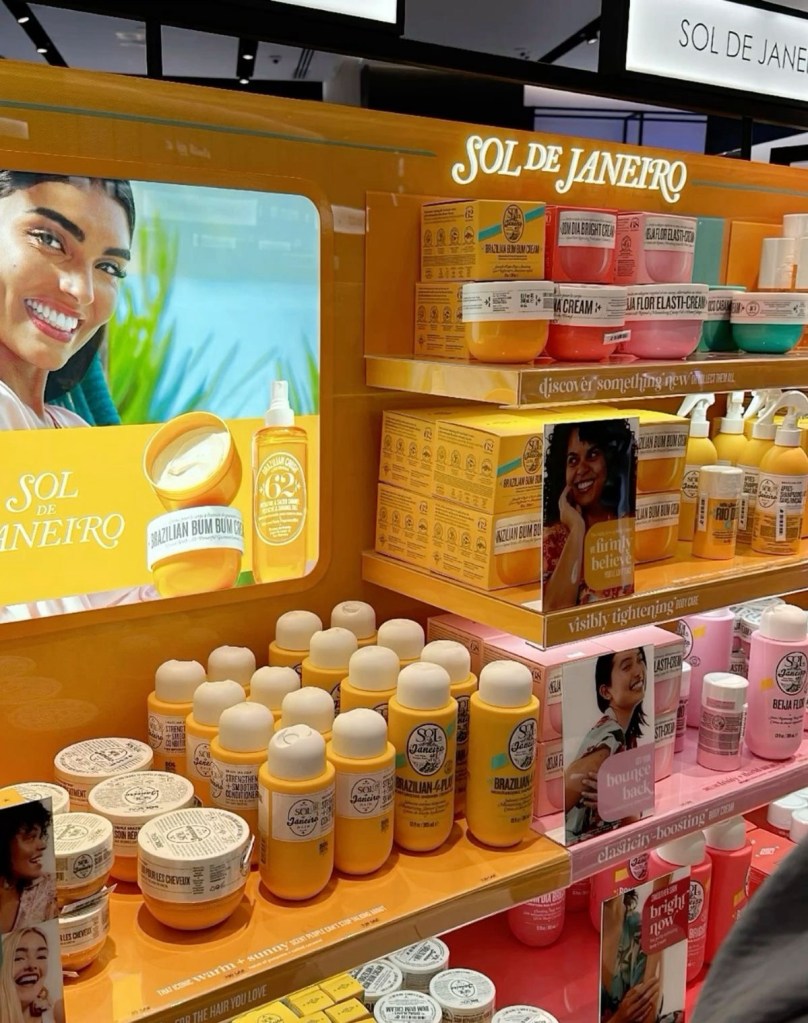
Because fragrance was central to the experience, this dramatically increased conversions.
Marketing lessons
Retail became advertising.
The shelves themselves acted as marketing.
Customers experienced the scent, texture and packaging before ever seeing an online review.
2017–2019 – Building a Lifestyle Brand
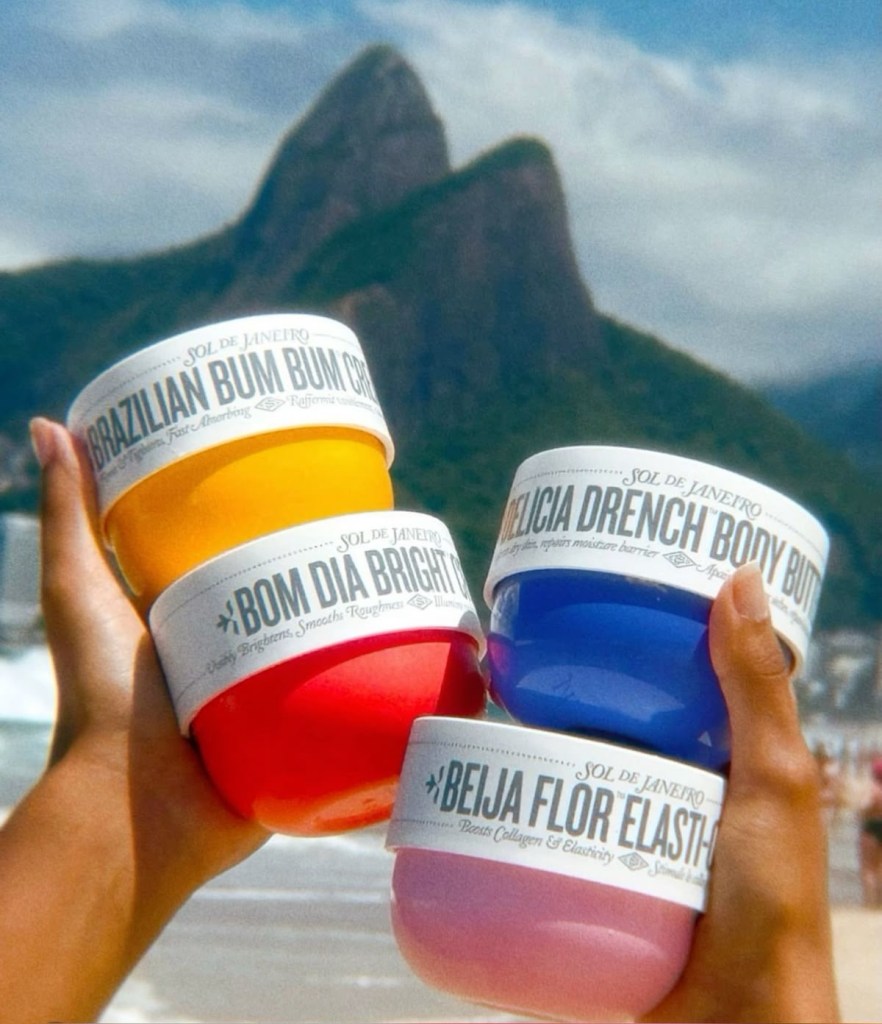
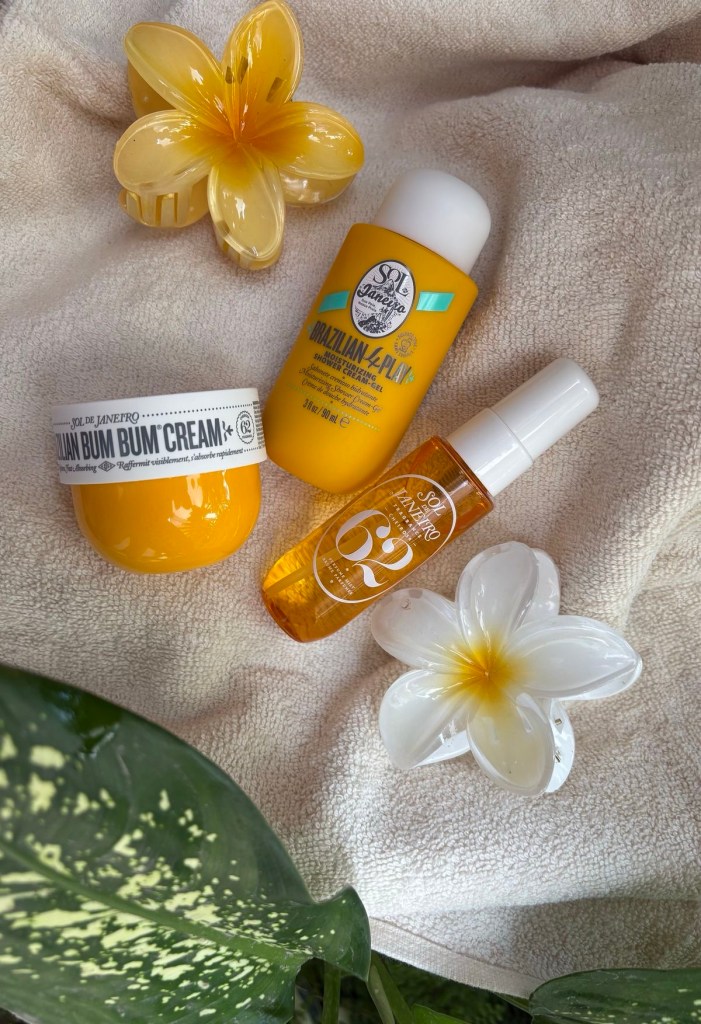
Rather than releasing dozens of new products every month, Sol de Janeiro expanded carefully.
They introduced:
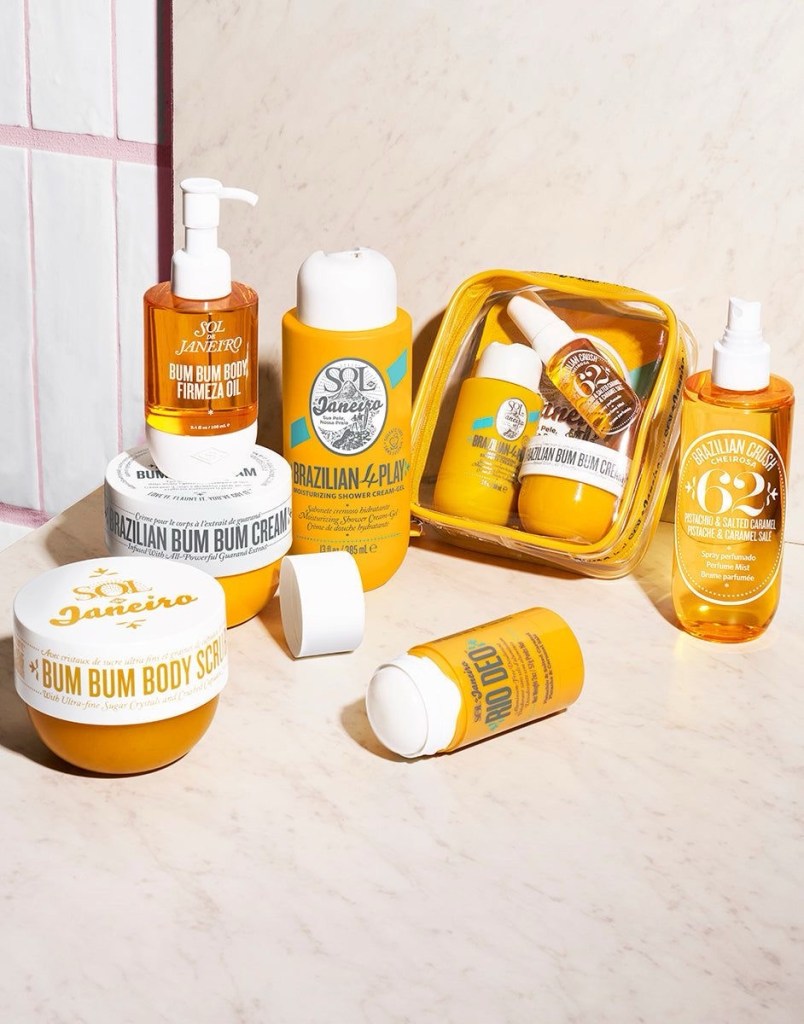
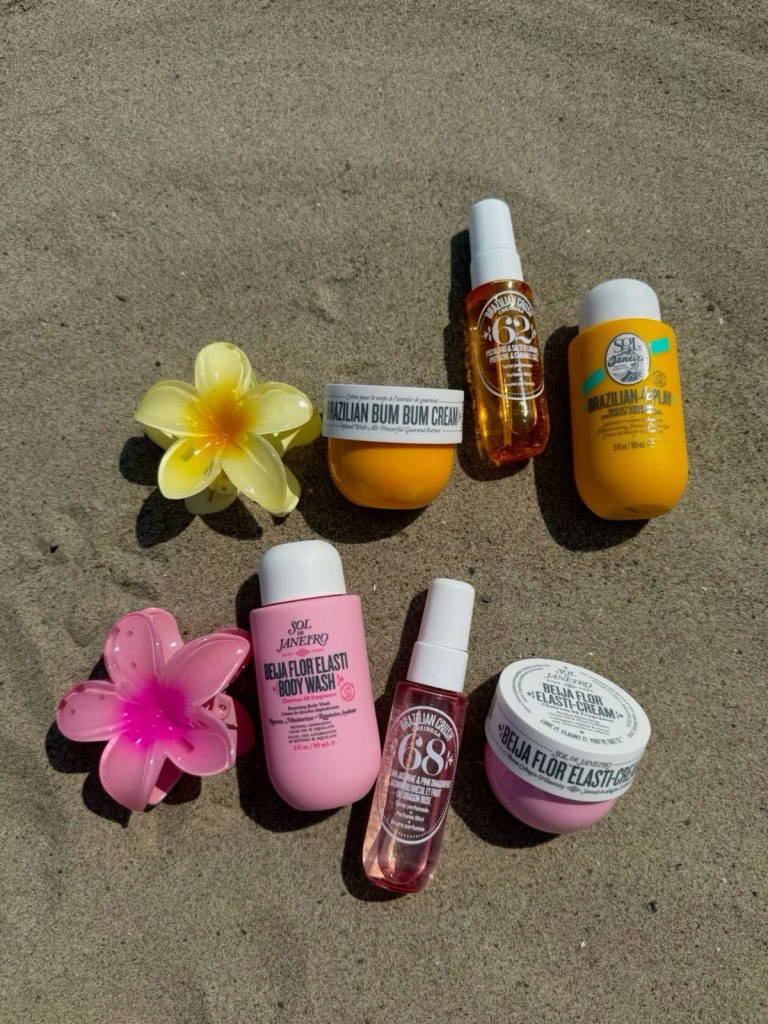
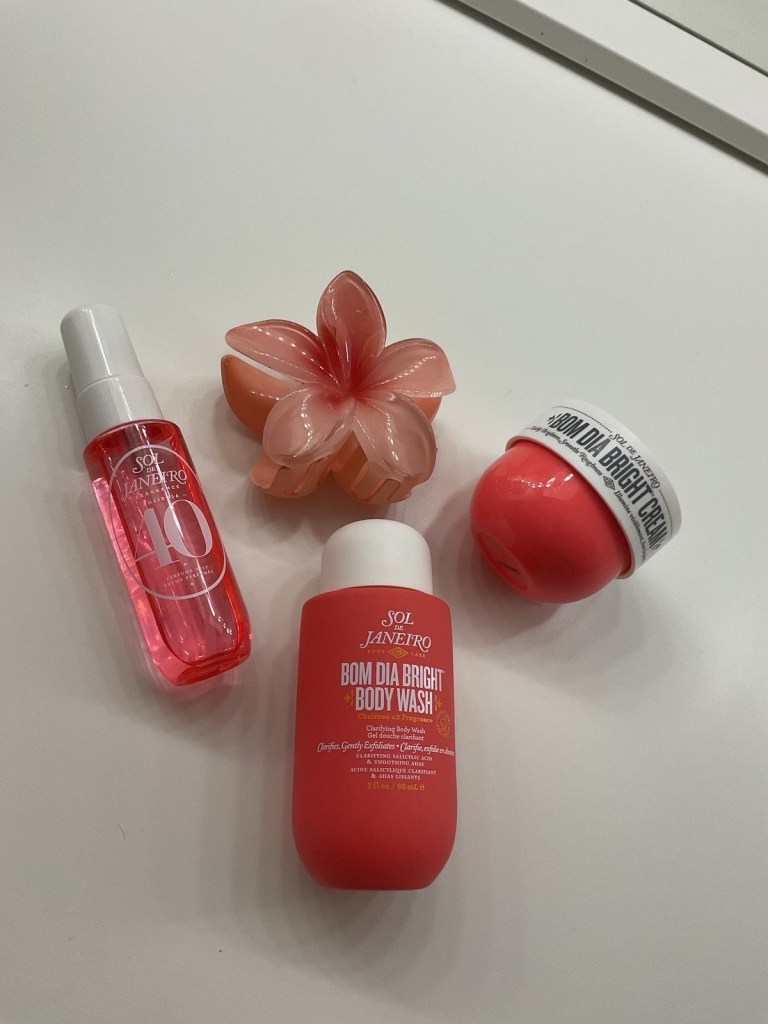
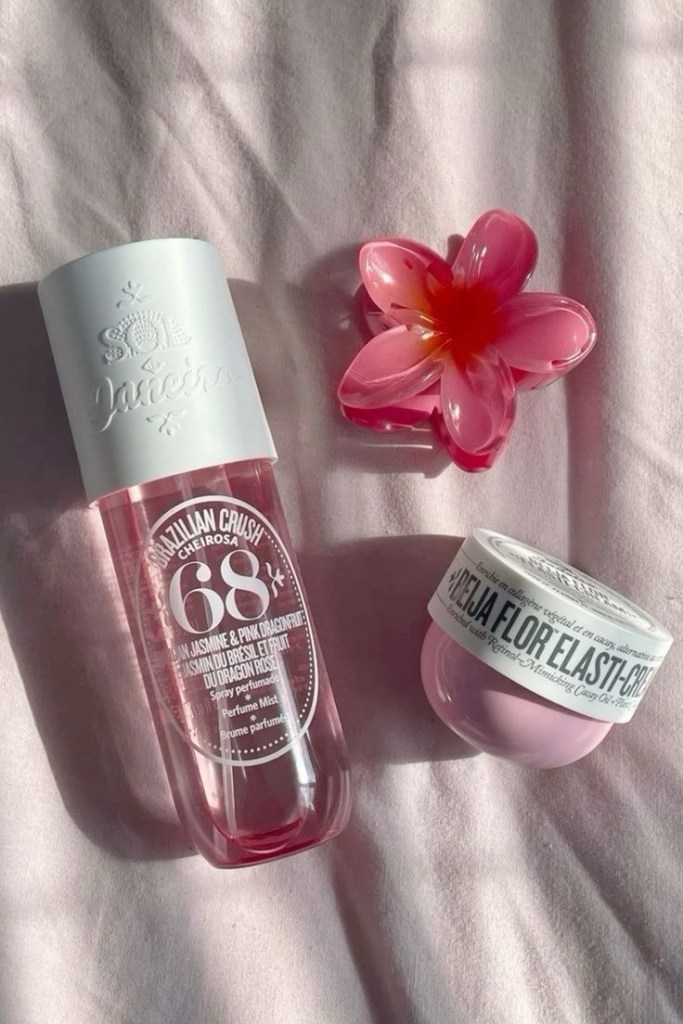
- body mists
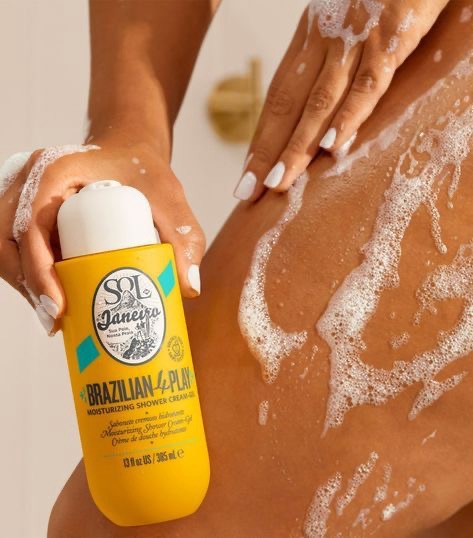
- shower products
- hair care
- new fragrance families
Instead of selling lotions,
they were selling:
“the feeling of being on a Brazilian beach.”
The products all shared the same sensory experience:
- recognizable fragrance
- colorful packaging
- joyful messaging
Every product reinforced the same identity.
2019 – Fragrance Becomes the Growth Engine
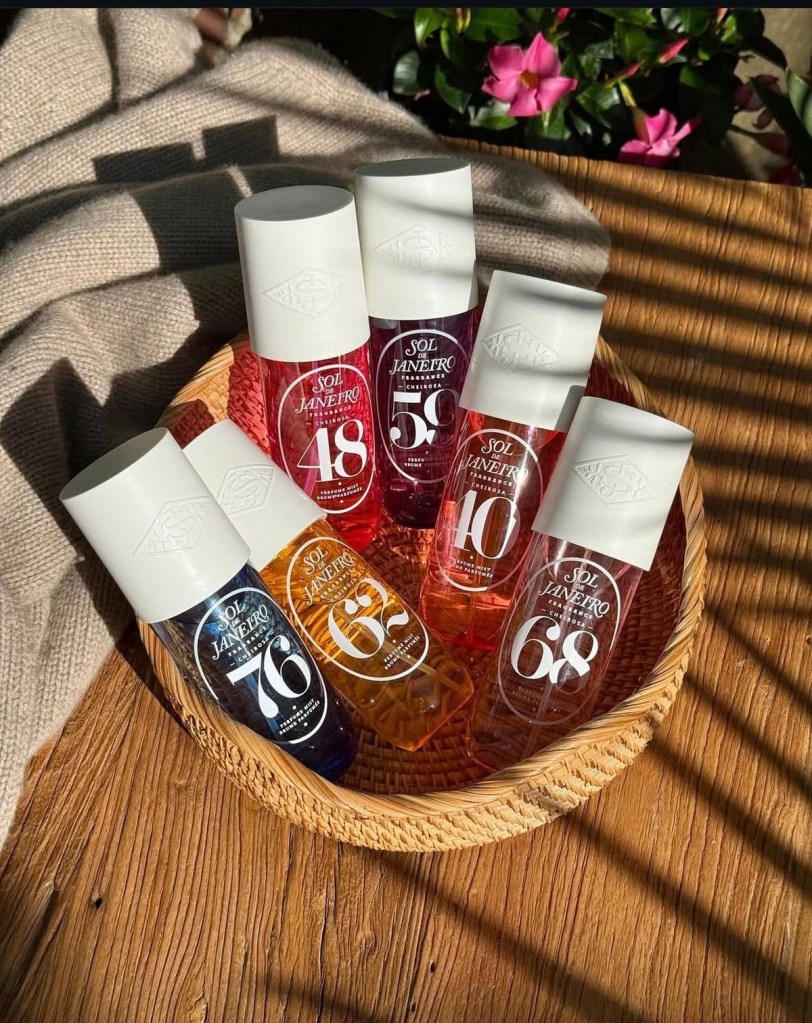
One of the smartest moves the company made was treating fragrance as its own category.
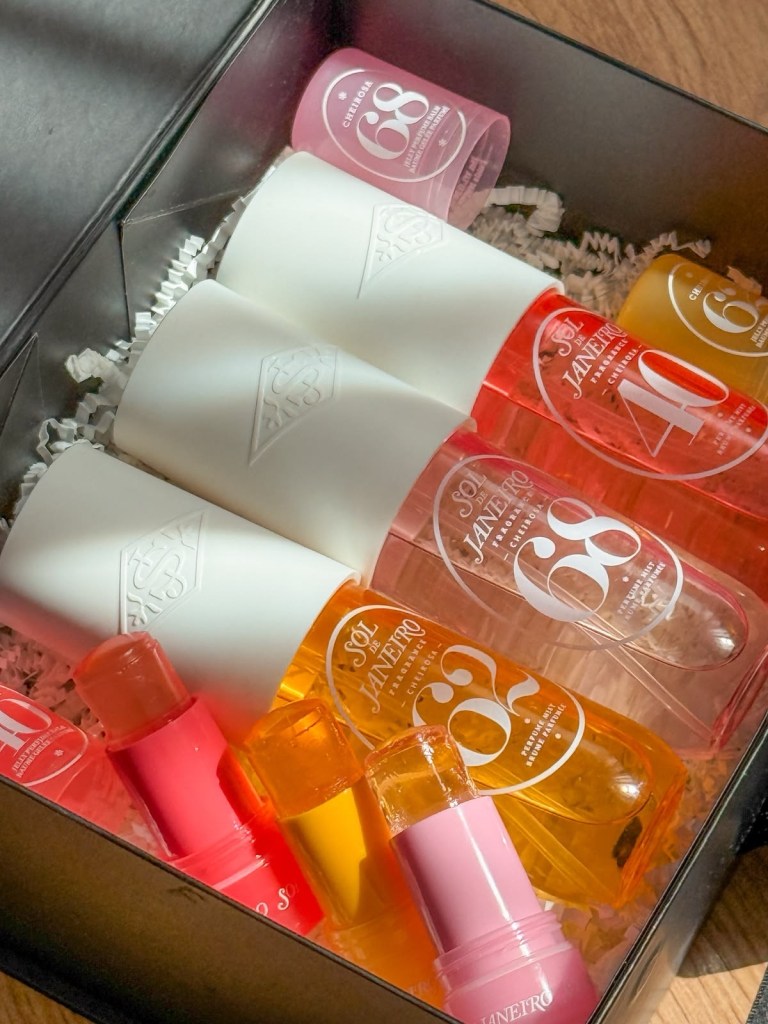
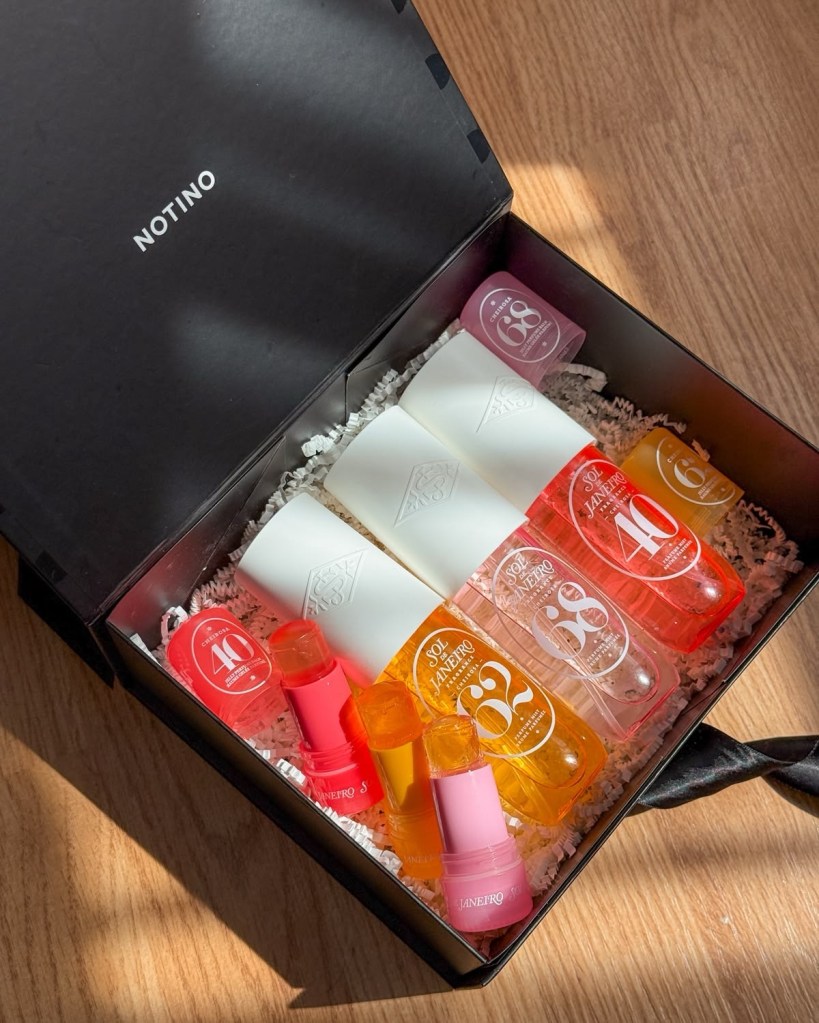
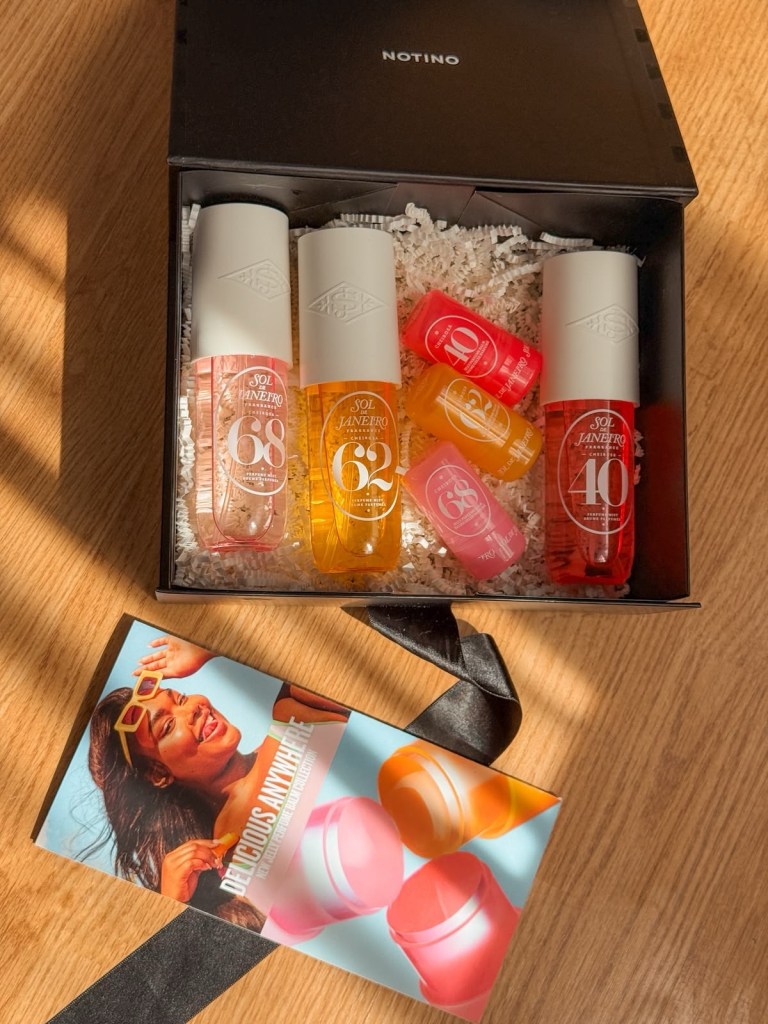
Instead of expensive perfumes, they introduced affordable fragrance mists.
This accomplished several things:
- younger customers could afford them
- shoppers collected multiple scents
- people layered fragrances with creams
- customers repurchased frequently
Eventually the Cheirosa fragrance line became one of the brand’s biggest successes.
2021 – Groupe L’Occitane Acquisition
This is a fascinating business milestone.
Groupe L’Occitane purchased approximately 83% of Sol de Janeiro for a valuation of about $450 million.
Many people think an acquisition means the founders leave.
That wasn’t the case.
Heela Yang remained CEO after the transaction, and the leadership team continued running the brand while benefiting from L’Occitane’s global infrastructure.
Why was this important?
The acquisition provided access to:
- international distribution
- larger manufacturing capacity
- additional capital
- global logistics
- retail relationships
- faster international expansion
Did they lose autonomy?
Not entirely.
They gave up majority ownership but retained operational leadership. That’s common in growth-stage acquisitions: founders exchange some ownership for resources to scale globally.
2022–2026 – TikTok Changes Everything
This is where Sol de Janeiro became a phenomenon. TikTok transformed fragrance marketing.
Instead of brands saying:
“Our perfume smells amazing,”
millions of users posted videos saying,
“You HAVE to smell this.”
The result?
Free advertising through user-generated content.
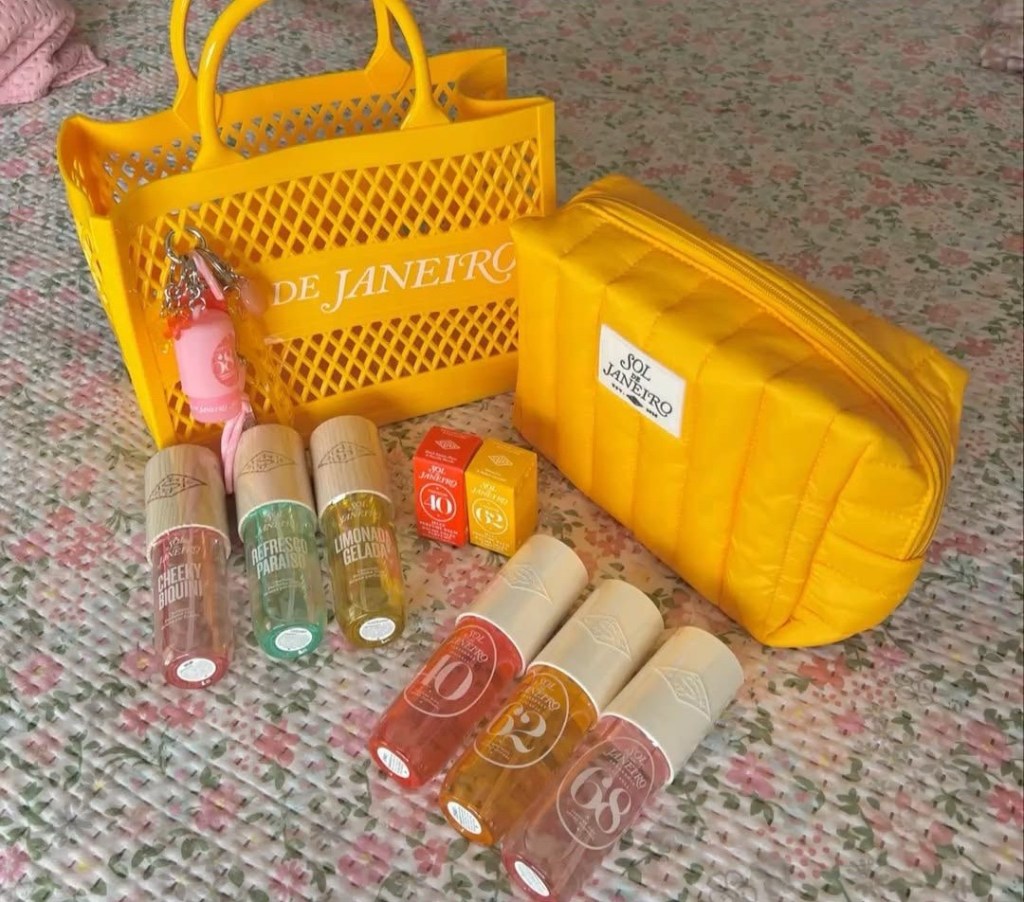
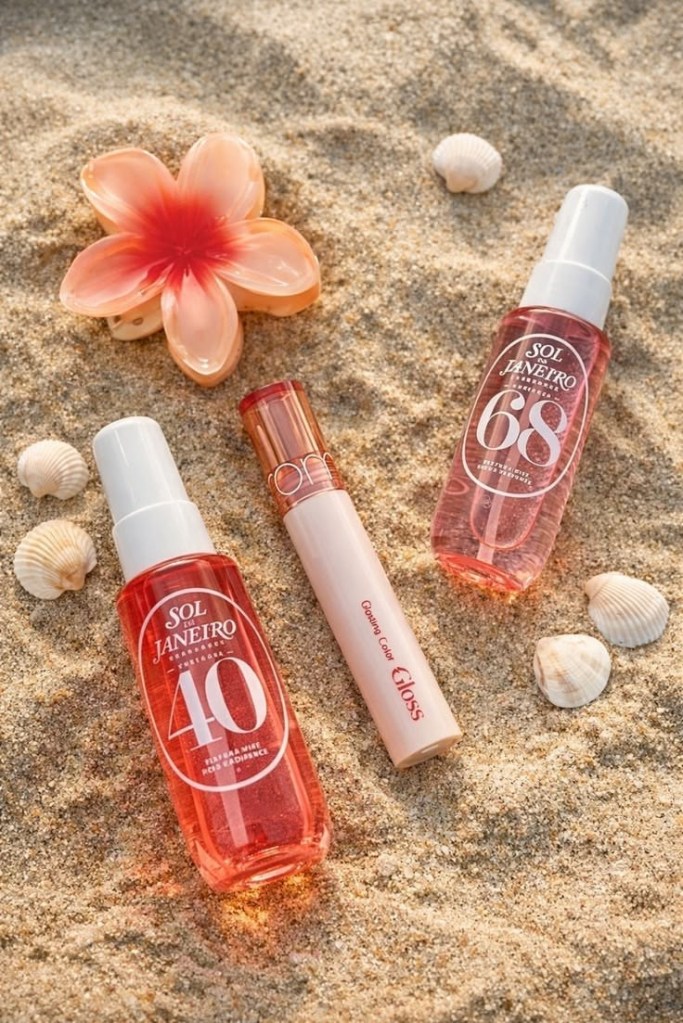
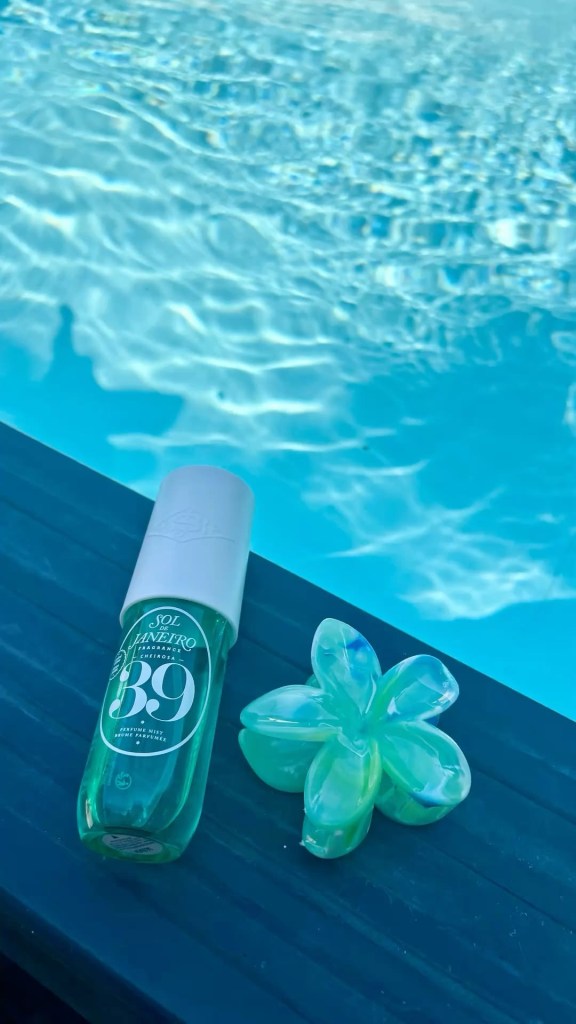
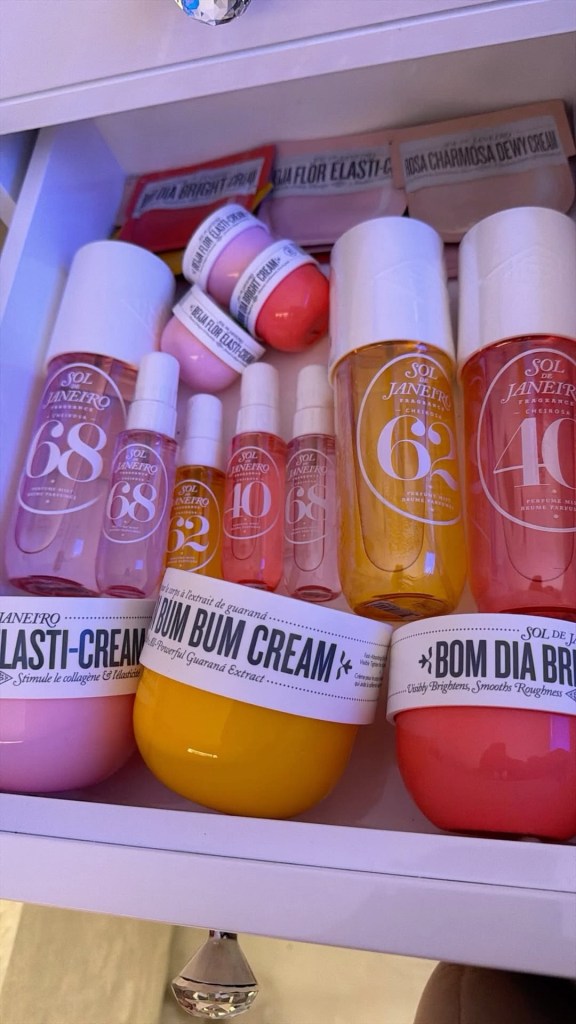
The company’s iconic fragrance mists became especially popular with Gen Z, driving rapid growth.
References
The information presented in this article is based on publicly available interviews, company announcements, business publications, and beauty industry reports, including:
- Sol de Janeiro (Official Website)
- Groupe L’Occitane – Official Press Release on the Acquisition of Sol de Janeiro (2021)
- Fast Company
- Vogue Business
- Glossy
- Cosmetics Business
- CEW (Cosmetic Executive Women)
- Beauty Packaging
- FemFounded – Brand Case Study
- Interviews with Heela Yang, Co-founder and former CEO of Sol de Janeiro
Image Credits
Images featured in this article were sourced via Pinterest for mood board and inspirational purposes. All trademarks, logos, campaign imagery, and product photography remain the property of their respective copyright owners, including Sol de Janeiro and the original photographers or creators where applicable.
This article is intended for educational, editorial, and informational purposes only.



Leave a Reply